“I Tried This and Thought of You”
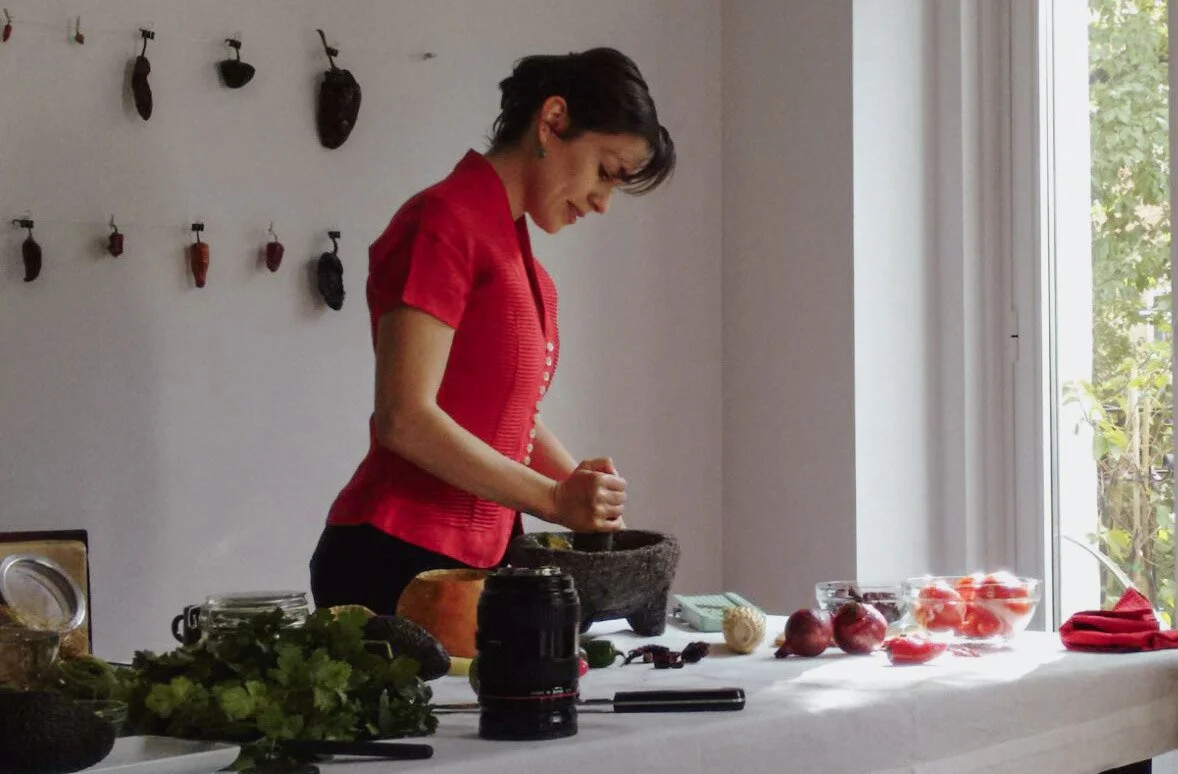
Photo by Ania Lewandoska circa 2016
Every so often, someone will send me a message saying:
“I tried this amazing food and thought of you.”
I love it, but it still surprises me a little.
Maybe it’s because I had a pop-up restaurant for a while. Maybe it’s because some of the projects I’m most proud of have revolved around food. Or maybe I’ve simply spent enough time eating, thinking, cooking and talking about it that the association stuck.
What I find interesting isn’t really that people associate me with food. It’s that food creates these kinds of associations in the first place.
A taste can remind you of a person. A dish can transport you somewhere. A restaurant can become part of a relationship. An ingredient can bring you back to childhood.
Very few products can do that.
For a long time, I fought my own association with food a little. I wanted to be a brand person who could tackle any subject. Food felt like one of the many things I happened to care about. But the more I work with food, the more I think it’s actually one of the most interesting places to build a brand.
I just finished Alicia Kennedy’s memoir, ‘On Eating: The Making & Unmaking of My Appetites', and one passage put words to something I’ve been feeling for a while:
“I am pessimistic about the future but I am deeply committed about the present. To make each day and every meal count: delicious, beautiful, and done with care. But not in the way women have been trained to do, forced to do. As an act of resistance to powerful forces that want to see humanity fed one boring, destructive, corporate diet. Diversity, care, these are weapons we can wield. The food in our pantries, on our plates is within the realm of our control.”
Food is never just a product. It’s a weapon.
It’s culture. Identity. Pleasure. Agriculture. Biodiversity. Tradition. Memory. Community.
And for me, hope.
Which is why I think food startups have a pretty amazing opportunity.
You’re not just selling what’s in the package. You’re asking people to care about what they eat.
And that means giving them a reason to care beyond the ingredients, the nutrition facts, the sourcing story or the functional benefit.
You need to focus your attention on finding the belief, the story, the culture and the emotional territory that can turn your product into a ritual, a conversation, a connection, a memory.
Here are a few questions you can start with:
• What do you believe in that the category doesn’t?
• What are you making possible that didn’t exist before?
• What culture are you creating around the product?
This is not branding, it's business.